How do I become a licensed bankruptcy petition preparer (BPP)?
A “BPP license” can mean different things depending on where you work. Federally, a bankruptcy petition preparer is a non-attorney who prepares documents for filing in exchange for compensation, and is regulated primarily by 11 U.S.C. § 110 and applicable local bankruptcy court rules. Some states (and some districts) layer on additional registration, bonding, or consumer protection requirements, so the safest path is to treat “becoming licensed” as a structured compliance project rather than a single form.
In our BPP compliance engagements for clients in and around New York, NY 10017, VMW LAW P.C. typically walks you through a step-by-step readiness checklist that includes: confirming what services you will and will not provide, preparing compliant fee and identity disclosures, setting up advertising language that avoids UPL, and determining whether a bankruptcy petition preparer bond is required in the jurisdictions where your customers file. If you also assist consumers who later retain counsel, we can coordinate compliance boundaries alongside our representation services for Chapter 7 bankruptcy and Chapter 13 bankruptcy matters.
- Define your scope: document typing/compilation only, no legal advice, no strategy, no “which chapter should I file.”
- Confirm court and state requirements: where the debtor files controls many obligations.
- Prepare required disclosures: identity, fees, and service limitations must be clearly stated and properly signed.
- Bonding and registration: obtain and file a bond if required; complete any state registration where applicable.
- Operational controls: scripts, intake forms, and quality checks to avoid prohibited conduct.
If you want a clear plan, schedule a compliance review through our bankruptcy consultation page and we will map your services to the rules that apply in New York and any other states where you operate.
What are the federal requirements to be an approved bankruptcy petition preparer?
At the federal level, there is not a single national “license card” for BPPs; instead, the Bankruptcy Code imposes a set of mandatory conduct rules and disclosure requirements, and bankruptcy courts enforce them. Under 11 U.S.C. § 110, a bankruptcy petition preparer must generally identify themselves on documents they prepare, disclose compensation, provide required notices to the debtor, and refrain from giving legal advice. Courts can order fee disgorgement, impose fines, and issue injunctions if a preparer violates these requirements.
Federal compliance also intersects with local practice. Some districts require specific cover sheets, forms, or filing procedures for preparers, and many courts scrutinize BPP advertising and client communications for UPL risk. VMW LAW P.C. helps you build a compliant “paper trail” (engagement language, receipts, fee disclosures, and disclaimers) designed to hold up if your work is questioned by the clerk’s office, the U.S. Trustee, or the court.
Critical boundary to understand: a non-attorney may be able to help with document preparation, but may not advise a debtor on exemptions, which debts to list, how to answer means test questions, whether to file Chapter 7 vs. Chapter 13, or how to respond to trustee inquiries. If you want to provide more than typing/compilation, that is usually the point where you should refer the debtor to counsel, such as VMW LAW P.C., for full legal representation and case strategy.
Bankruptcy petition preparer licensing requirements by state (BPP compliance guide)—and what applies in New York
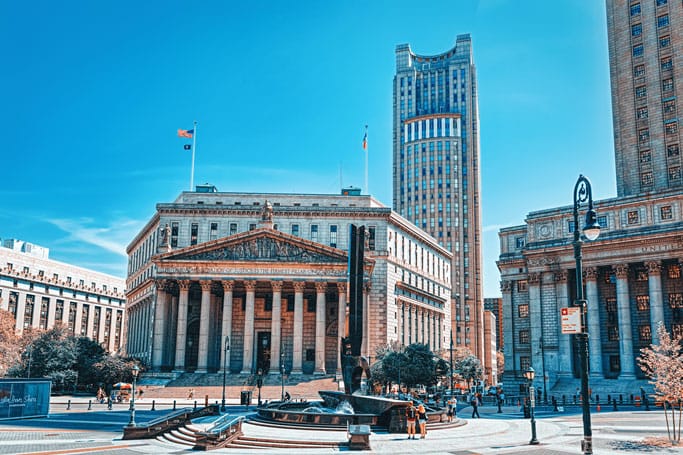
BPP requirements are best understood as a layered system: federal rules apply everywhere, and then state and local court requirements may add registration, bonding, disclosures, or consumer-protection obligations. New York does not operate a single, statewide “BPP licensing board” in the way some states administer formal registration programs, but that does not mean “no rules.” If your customers file in the Southern District of New York (Manhattan and surrounding counties) or the Eastern District of New York (including Brooklyn/Queens/Long Island), you must still follow the Bankruptcy Code and the local rules and procedures that govern preparer filings and conduct.
Because multi-state and online services are common, we create a practical bankruptcy petition preparer licensing requirements by state checklist that focuses on the states and districts where you actually do business. Some jurisdictions impose stricter BPP registration and bonding programs than others, and requirements can change. Your next step is to identify where your customers file, then confirm the court’s local requirements and any state registration/bond rules that may apply in that location before you accept fees.
- Start with the filing jurisdiction: compliance typically follows the debtor’s filing district, not your business address.
- Check for state-level BPP registration: some states require registration and may set bond amounts or consumer notices.
- Review local bankruptcy court rules: many districts have BPP forms, filing requirements, and enforcement practices.
- Align marketing with UPL restrictions: avoid “we help you choose exemptions” or “we tell you what to file.”
- Document your process: consistent intake, written disclosures, and retained records reduce enforcement risk.
If you operate from Midtown Manhattan or serve clients across state lines, VMW LAW P.C. can consolidate these requirements into a single, usable compliance guide for your team, with next steps tailored to New York and any target markets you serve.
Bankruptcy petition preparer bond: how much is required and how to get it (and whether online services need it)
A bankruptcy petition preparer bond may be required depending on the rules applicable in the districts where you prepare filings. Many courts require a bond (often discussed in the context of a $10,000 minimum), while certain states impose higher amounts through separate consumer-protection regimes. Because bond rules can be district-specific and can change, the safest approach is to confirm the requirements of the bankruptcy court where the debtor will file, and then obtain a bond that satisfies that court’s filing and wording requirements.
To get a bond, you typically work with a surety provider who underwrites the bond based on your credit and business profile. The cost is usually a premium (often a percentage of the bond amount), and you may need to file proof of the bond with the clerk. If you offer bankruptcy document preparation services online, you cannot assume you are exempt; online services are still subject to the rules of the filing jurisdiction, and advertising across state lines can increase your exposure if your messaging suggests legal advice or creates confusion about attorney involvement.
VMW LAW P.C. helps you determine whether a bond is required for the courts where your clients file, coordinates the documentation needed to file the bond correctly, and updates your client-facing materials to reduce risk. If you want a clear yes/no answer for your exact service footprint, request a review through our bankruptcy consultation intake and we will evaluate your locations, target clients, and online marketing.
Renewals, fees, processing time, and enforcement: avoiding penalties and unauthorized practice of law
How to renew a bankruptcy petition preparer license and avoid penalties depends on what “license” applies—state registration programs may have annual renewals, and bond renewals may be required by the surety and/or the court. Even where no state license exists, your operational compliance must be maintained: current disclosures, accurate fee statements, proper signatures, and updated procedures that match local rule changes. A common compliance failure is letting a bond lapse, continuing to advertise services that imply legal advice, or using old forms that no longer satisfy local requirements.
What are the fees and processing time for bankruptcy petition preparer registration/licensing? Fees vary widely based on the jurisdiction and what is required (state registration fees where applicable, surety bond premiums, and any administrative costs to file required documents). Processing time can range from same-day (for purchasing a bond) to multiple weeks (for state registration approvals), which is why we recommend building a launch timeline before accepting consumer payments. We can help you set up a compliant “go-live” plan, including what you can advertise now, what must wait until registration is confirmed, and what records to retain if your conduct is questioned.
What happens if I prepare bankruptcy paperwork without a license (fines and enforcement)? If you act as a BPP and violate the Bankruptcy Code, local rules, or any applicable state registration program, you may face court-ordered fines, fee disgorgement (repayment of what you charged), injunctions barring you from further work, and additional penalties for deceptive practices. The most serious risk arises when the court concludes your conduct crossed into unauthorized practice of law, such as advising on exemptions, directing answers, or presenting yourself as a legal professional. If you are unsure whether your services are permissible, your next step should be a compliance review before you take on additional clients or expand into new states.
Work with VMW LAW P.C. in New York, NY 10017 to build a compliant BPP program
VMW LAW P.C. provides licensing and compliance support for bankruptcy-adjacent service businesses operating in New York City and beyond, including BPP compliance reviews, advertising and intake audits, bond and registration guidance, and risk counseling focused on UPL boundaries. We tailor recommendations to the realities of operating in and around New York, NY 10017, including multi-state and online service models where the filing jurisdiction controls key requirements. If your work intersects with consumer representation, we can also coordinate client referrals into legal counsel for debt relief and bankruptcy filing strategy, reducing risk to both your business and the consumer.
Ready to get compliant before you scale? Contact VMW LAW P.C. to schedule a licensing and BPP compliance assessment through our bankruptcy consultation page. We will identify the rules that apply to your service footprint, outline the steps to meet federal and state requirements, and help you implement a defensible process that minimizes enforcement risk.